Tuesday, 11 October 2016

Story Telling: A Camera Workshop


The above video was the result of a camera workshop we did the otherday. It is a very short piece that uses multiple shots to create a short story of someone getting to and sitting on a chair. Its nothing special and i encountered a few problems so it took longer to upload than i thought, please excuse the shakey camera, i wasnt able to correct it. But the main idea was to get used to the things you can do with the cameras.

Story Telling: 2nd Edit Workshop

The above video is the result of our second edit workshop using stock footage. In this ne I utalised diferent techniques adn video effetcs to create effective establishing shots and titles. Carfully mapping out and splitting my audio first and then matching it to video. I was able to utalise techniques such as opacity, mirroring/reversing footage and more.

Monday, 10 October 2016

Story Telling: Steeve Coombes 3rd Lecture

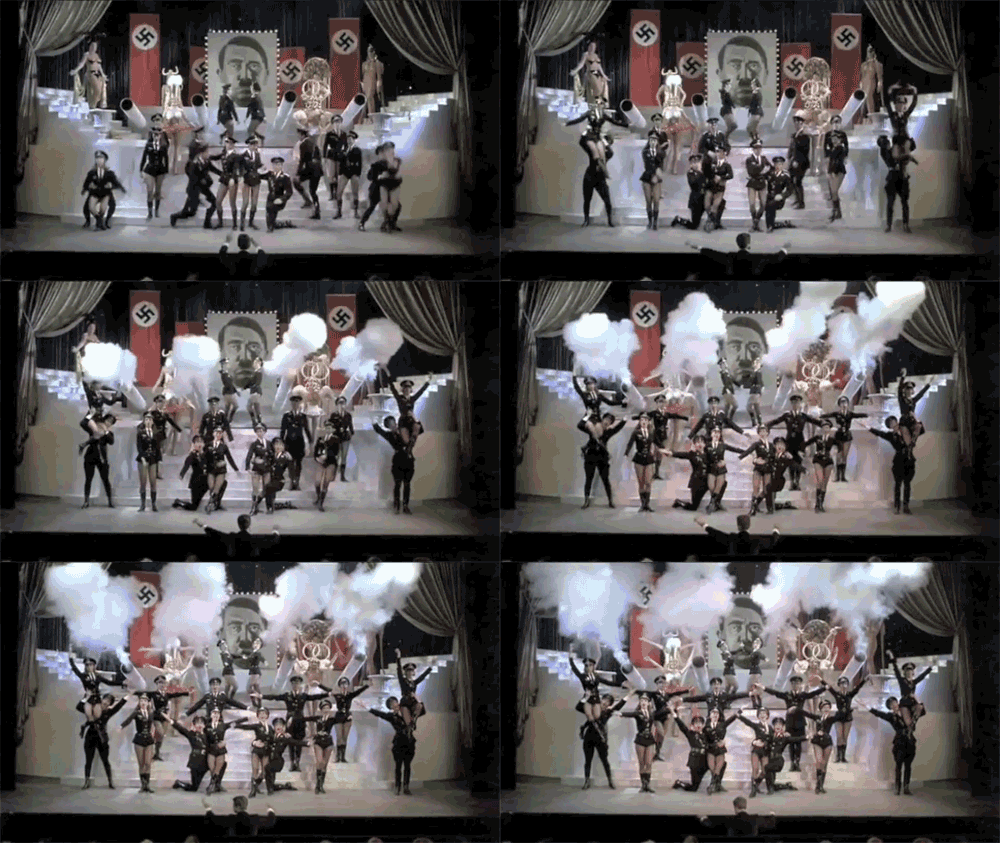
Image result for springtime for hitler

The story is the significance of the plot. The plot is what happens. The story is how you get there.

The points in your story should not connect with "and then" but instead you should connect plot points with "therefor's" and "but's". 

Your characters should have "but's" and twists in their development. e.g. an everyday policeman, but he robs banks. 
 https://www.blogger.com/blogger.g?blogID=6473802345104068878#editor/target=post;postID=4996865276157719604
You should build up theese character points so that the audience knows the character well enough to try and predict their actions.

There should be a twist that forces your characters to have to adapt or change to their situation. Like a joke, this is the distraction before the punch line.

You should try to keep your audience ahead or behind of the action, based on the information you give them about plot and characters.

However ont be afraid to subvert their expectations of what the charcater will do.

Audiences Love "moments". They tend not to notice character and dialouge etc. if they are distracted by "moments". 

Source material for this lecture included Mel Brooks' "The Producers" (1968) and Alfred Hitchcocks "Physco" (1960), and more.


My Moment

The moment I chose the ending sequence of David Fincher's 1999 Movie, "Fight Club".  It was incredibly memorable to me and inspiring in terms of plot structure, hidden messages, editing and stylistic techniques, and so much more.

This is memorable to me because in under a minuet it demonstrates the way each character has ahd to change and adapt to this strange and violent wold that they were thrown in to. We can see that the charcaters are finally acepting their insanity as a quite literal part of them. 

The scene sums up an entire generations worth of angst, depression and fear as the dialouge gives way to destruction and chaos, and the characters simpy acept the chaos around them, subverting our expectations as an audience, of their charcters.

It ties together all the underlying messages in the movie and affirms them. We as n audience are shocked and mesmorised by both characters and their situation. Which is why we remember it.

Story Telling: The 180 Degree Rule

 Where you position the cmaera in a scene is where you position the audience.

It is important to keep your camera shots consistant so they dont brake the 180 degree rule adn confuse your audience. Start with a wide shot of the two characters you want to feature. This will allow you to divide your scene in to screen left and screen right, cutting betweeen vlose ups of a left shot and a right shot, staying within a 180 degree diamiter.

The 180 degree rule can be broken, but should only be used as a story telling device that is intended to put the audience on edge, or symbolise decent in to madness/fantasy. 
Image result for 180 degree rule
 

Wednesday, 5 October 2016

Steve Coombes Character And Dialogue

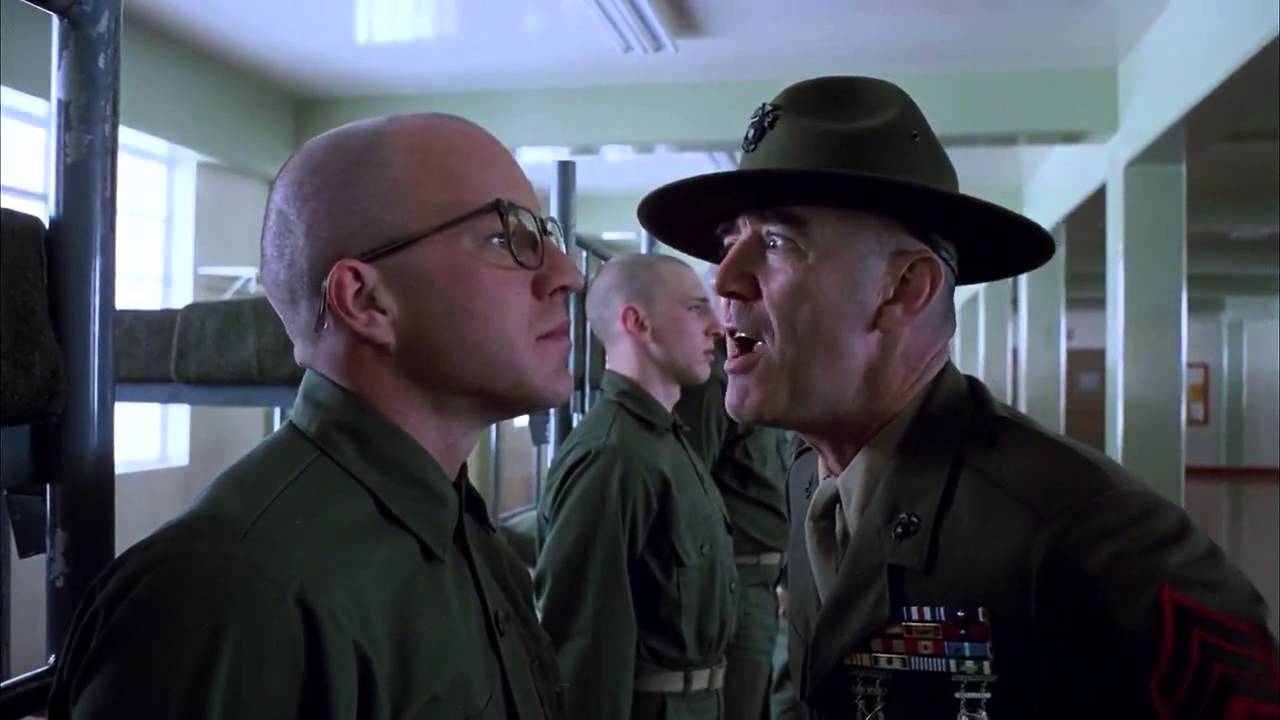
In our latest lecture with Steve Coombes we learned about characters and dialogue in screenwriting. Some of the source material we looked at included "When Harry met Sally" and "Full Metal Jacket". 

In this post I will summarize some of the key points that i picked up on starting with dialogue.

Image result for when harry met sally orgasm scenehttps://i.ytimg.com/vi/GTQAXX08A-s/maxresdefault.jpg

Dialogue:

Dialogue is one of the least important parts of film/TV but it is still important to get it right, since some dialogue is intended for TV, some for Film, and some for Theatre. 

Dialogue should have a point, it should not be overly detailed or too formal (show don't tell). 

Different characters speak differently, with different vocabulary and phrases, you can read it aloud to see if it sounds natural. 

Where possible it is good to replace dialogue with actions or facial expressions.

Accents are best avoided unless necessary, and you shouldn't have characters speak the hidden meaning of your script.

Denial is key for conveying messages and creating subtext, e.g. I'm fine, no i don't love her.

It is good to start in the middle of a conversation and let the audience figure out whats going on. 

Different characters use different curse words. 


Character:

Know your characters well, and know what their traits are, as if they were your friends.

Characters should have flaws and visual tells e.g. tattoos, or the fact they like things a certain way, or have OCD. 

Characters should be right most of the time, but wrong now and then to help them develop.

If you have a character who is a psychopath or a monster, the best way to make them more likable is to introduce someone who's an even bigger monster and put them "next to each other".

Their should be a character based on the idea of the "existential hero". Many characters when faced with individuality or change, question their lives  and morals. It is mostly men who go through an existential crisis.

Make your characters choose, give them some kind of conflict that they have to make a choice between. Have them be pulled in different directions.

When characters need to make decisions it is important to keep them on edge and indecisive, and know what it is that will make them like this. 

Monday, 3 October 2016

Lateral Thinking

Edit Workshop Result

Today we had a small edit workshop with Fergus, in which we practiced and refined our editing skills using stock footage to create a small sequence. I was able to utilize a few effects I hadn't used before such as camera stabilization. The video bellow was my final result at the end of the workshop. Hope you enjoy and feel free to give feedback. 

It is titled, "Lateral Thinking".